Managing Reactivity in the Queen City: A Strategic Approach for Charlotte’s Busy Parks & Patios
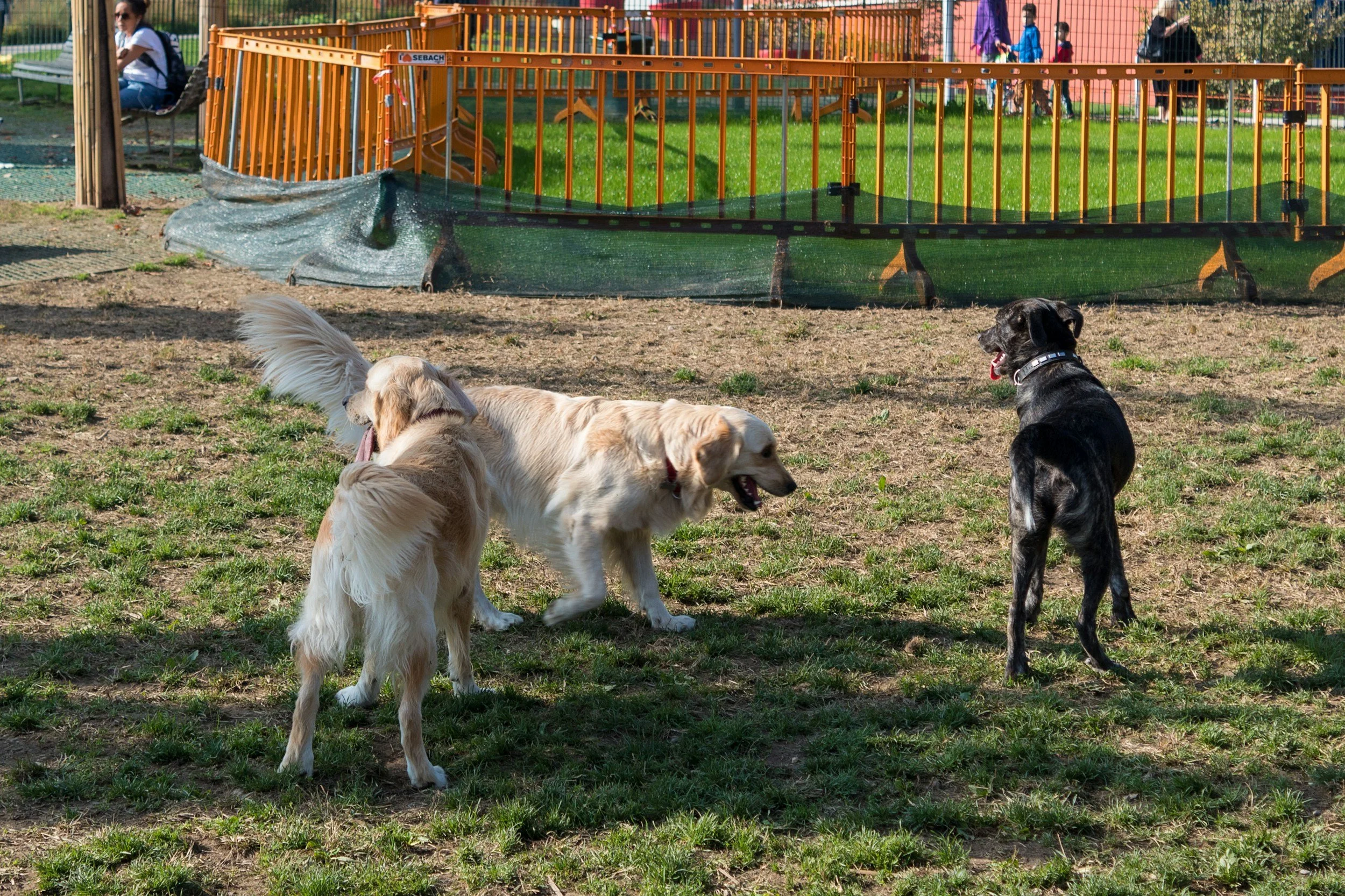
Living in Charlotte with a reactive dog can feel like navigating an obstacle course. We are a city that loves its dogs—they are on our brewery patios in South End, walking the trails at Freedom Park, and joining us for coffee in NoDa. For most, this is a perk of the Queen City lifestyle. But for the owner of a reactive dog, these "dog-friendly" spaces can feel like a source of constant anxiety and social pressure.
Living with a Reactive Dog in a "Dog-Friendly" City
The unique pressure of Charlotte’s dog-centric culture is real. When every other dog seems to be lounging calmly under a table at a local brewery, it’s easy to feel like you’re failing when your dog is barking and lunging at the end of the leash.
At Canine Compass, we want you to know that reactivity isn't a sign of a "bad" dog or a "bad" owner. It’s often a sign of a dog who is overwhelmed by the high-density, high-distraction environment that defines modern Charlotte life. Managing reactivity in a city this busy requires more than just obedience; it requires a strategic, compassionate approach.
Understanding Reactivity: It’s Not Aggression, It’s Communication
One of the most important distinctions we make as dog behaviorists in Charlotte is between reactivity and aggression. Reactivity is an overreaction to a stimulus—usually driven by fear, frustration, or over-arousal.
Your dog isn't trying to be "mean" when they bark at another dog on the Rail Trail; they are communicating that they are uncomfortable or that they desperately want to get to that other dog and don't know how to handle the frustration of the leash. Understanding that this is communication, not a character flaw, is the first step toward effective training.
The "Threshold" Concept: Why Your Dog "Explodes" Out of Nowhere
Have you ever felt like your dog was fine one second and "exploded" the next? This is the concept of the threshold. Every dog has a limit to how much stimulation they can handle before they lose the ability to think and react rationally.
In a busy area like Uptown, your dog might be "stacking" stressors: the sound of a bus, the sight of a scooter, and then finally, the sight of another dog. That last dog wasn't the only problem; it was just the "last straw" that pushed them over their threshold. Learning to identify the subtle signs—the stiffening of the body, the fixed stare, the closed mouth—before the explosion happens is critical for management.
Management vs. Training: Survival Strategies for Charlotte Streets
When you’re on a tight sidewalk in South End and another dog is approaching, that isn't the time for a training lesson—it’s time for management. Management is about "surviving" the moment without a blow-up.
Strategic maneuvers like the "U-turn," using parked cars as visual blockers, or simply stepping off the sidewalk and into a driveway can save your walk. Management keeps everyone safe and prevents your dog from practicing the reactive behavior while we work on the long-term training in more controlled environments.
The Science-Based Path to Neutrality
The goal of reactive dog training isn't necessarily to make your dog "love" every other dog they see; it’s to achieve neutrality. We want your dog to see another dog and think, "Oh, there’s a dog. No big deal." Our approach is grounded in the International Association of Animal Behavior Consultants LIMA standards, ensuring that every step toward neutrality is as ethical as it is effective. We achieve this through counter-conditioning and desensitization. By pairing the sight of a "trigger" with something high-value (like their favorite treat) at a distance where they are still below threshold, we slowly change their emotional response. Over time, the "scary" or "frustrating" thing becomes a predictor of good things.
Finding "Safe Spaces" in Charlotte for Reactive Dog Training
Practicing these techniques requires space—something that can be hard to find in the heart of the city. We often recommend low-traffic areas for our Charlotte clients to practice, such as:
School parking lots on weekends.
Industrial parks after business hours.
Quiet neighborhood pockets away from the main thoroughfares.
Starting in these "safe spaces" allows you and your dog to build the skills necessary to eventually navigate the busier parts of the Queen City with confidence.
Conclusion: Finding Peace on Both Ends of the Leash
Reactivity doesn't have to mean the end of your walks or your enjoyment of Charlotte. With the right strategy and a bit of patience, you can reclaim your peace of mind. You don't have to do this alone—professional guidance can make all the difference in navigating behavioral frustrations and the complexities of dog behavior in an urban environment.
Tired of stressful walks in the Queen City? Connect with a Charlotte dog behaviorist at Canine Compass today.