In-Home vs. Facility Training: Why Your Charlotte Home is the Best Classroom for Real-World Results
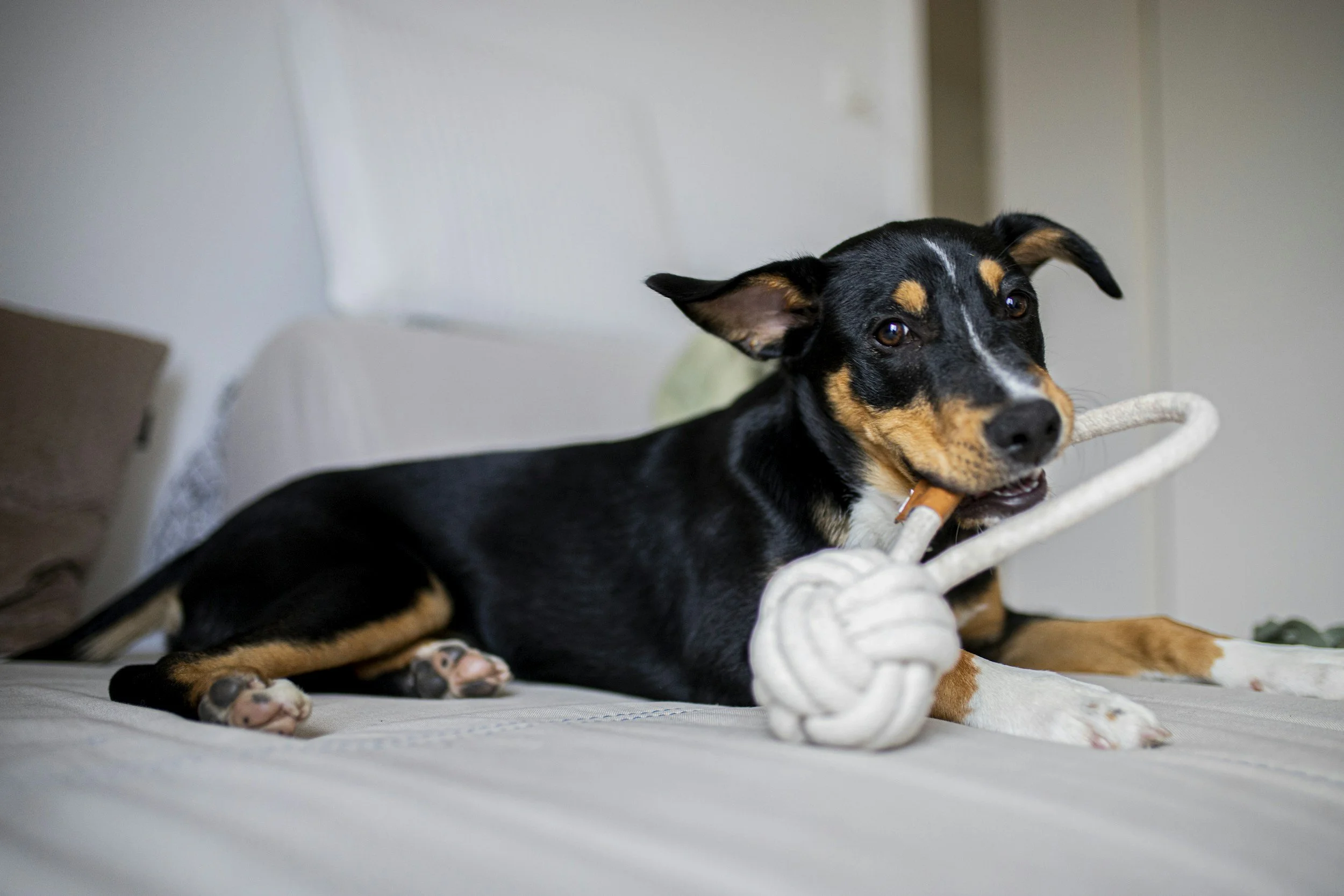
We've all seen it: the dog who is a "star student" at the training facility, perfectly executing sits and stays in a climate-controlled room, only to completely fall apart the moment they get back to their living room in Dilworth or their backyard in Myers Park. At Canine Compass, we call this the "Context Problem," and it's the primary reason we believe your home is the most effective classroom for your dog.
The "Context" Problem: Why Dogs Behave at the Facility but Not at Home
Dogs are highly situational learners. They don't generalize well. When a dog learns a command in a sterile training facility, they often associate that behavior only with that specific room, that specific trainer, and that specific group of dogs.
When you get home, the environment is different. The smells of the kitchen, the sound of the neighbor's leaf blower, and the sight of the mailman are all "new" variables that weren't present at the facility. To a dog, "Sit" in a training center is a different request than "Sit" when the doorbell rings at home. In-home training solves this by teaching the dog exactly where the behaviors need to happen.
The Benefits of Private, In-Home Coaching for Busy Charlotte Families
Life in the Queen City is fast-paced. Between commuting from Uptown or managing a busy household in South End, finding the time to pack up the dog, drive to a facility, and sit through a group class can be a significant hurdle.
Private, in-home coaching brings the expertise to you. This isn't just about convenience; it's about customization. We aren't following a generic curriculum designed for ten different dogs; we are addressing the specific challenges you face in your specific home. Whether it's managing a high-energy dog in a luxury apartment or working on backyard boundaries, the training is tailored to your lifestyle.
Identifying Triggers Where They Live: Doorbell, Mailman, and Backyard Fences
Most behavioral frustrations happen at home. It's the frantic barking when the Amazon delivery arrives, the lunging at the backyard fence when a neighbor walks by, or the "counter surfing" in the kitchen.
A facility trainer can tell you how to handle these things, but an in-home trainer can show you in real-time. We can observe the subtle environmental triggers that lead to the behavior and implement immediate, practical solutions. By working in the "hot zone" where the behavior actually occurs, we achieve faster, more reliable results.
Reducing Stress for Fearful or Reactive Dogs
For dogs that struggle with fear or reactivity, a group class at a facility can be a nightmare. The presence of other dogs and strangers in a confined space often puts these dogs "over threshold," making it impossible for them to learn.
The "home base" is where your dog feels safest. By starting the training in a low-stress environment, we can build a foundation of trust and focus before gradually introducing outside distractions. This approach is not only more humane but significantly more effective for long-term behavior modification.
Training the Whole Family: Consistency in the Natural Environment
One of the biggest pitfalls of facility training is that usually only one family member attends the class. When they get home and try to explain the techniques to the rest of the family, things get lost in translation.
In-home sessions allow everyone parents, kids, and even roommates to participate. We ensure that everyone is using the same cues, the same timing, and the same philosophy. Consistency is the "secret sauce" of dog training, and it's much easier to achieve when the whole family is learning together in their natural environment.
When to Choose a Private Trainer Over a Group Class
Group classes are great for basic socialization in a controlled setting, but they aren't a substitute for behavioral coaching. You should choose a private, in-home trainer if:
Your dog's issues are specific to your home (doorbell, guests, yard).
Your dog is too fearful or reactive for a group setting.
You have a busy schedule that requires flexibility.
You want a customized plan that addresses your specific goals.
You're looking for loose leash success in real-world environments.
We guide you through our training process step by step. Following a structured approach like the AKC puppy socialization guide ensures you aren't missing critical environmental exposures during this 16-week window.
Conclusion: Real Results for Real Life
At the end of the day, you don't just want a dog that listens in a training center; you want a dog that listens in your life. By choosing in-home training, you are investing in results that translate directly to your daily routine in Charlotte.
Our approach relies on science-based training methods proven to work.
Ready for a dog that listens at home and beyond? Schedule your in-home consultation with Canine Compass today.