Why "Wait and See" is a Risk for Charlotte Puppies: The Reality of Local Socialization
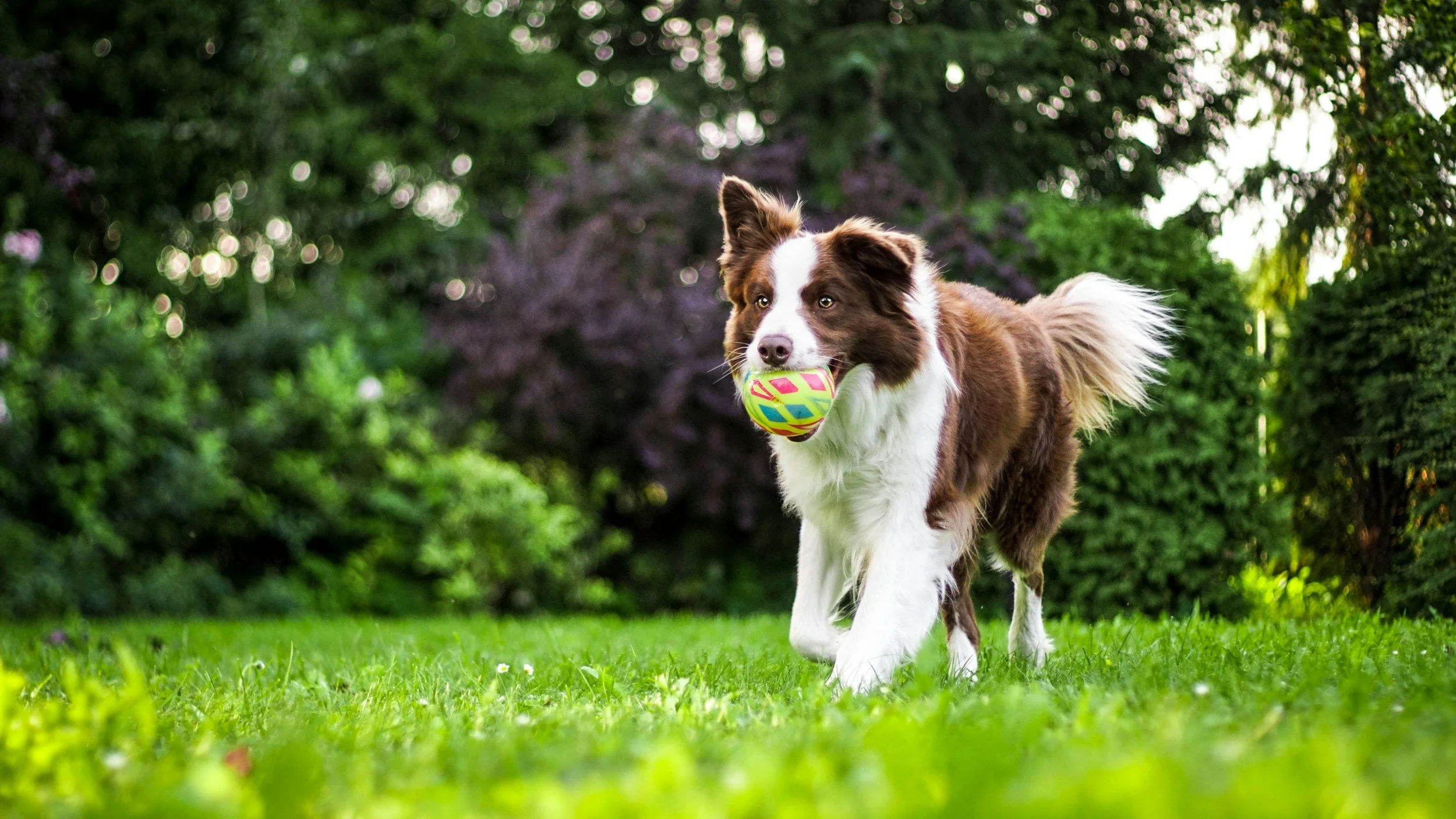
If you’ve recently brought a new puppy home to Dilworth, South End, or any of Charlotte’s bustling neighborhoods, you’ve likely heard the conflicting advice. One neighbor tells you to keep your pup inside until they are six months old; another suggests hitting the rail trail immediately. At Canine Compass, we see the fallout of the "wait and see" approach every week. In a fast-growing, dog-centric city like ours, delaying socialization isn’t just a missed opportunity—it’s a significant behavioral risk.
The Critical Window: Why Charlotte Puppy Owners Can’t Afford to Wait
There is a biological clock ticking the moment you bring your puppy home. The primary socialization window—the period where a puppy’s brain is most receptive to new experiences without developing deep-seated fear—closes around 16 weeks of age.
In a quiet rural setting, missing this window might result in a slightly shy dog. In Charlotte, where your dog will encounter light rail sirens, heavy Uptown traffic, and crowded brewery patios, missing this window can lead to a lifetime of reactivity. If we wait until a puppy is "fully vaccinated" (often at 16-20 weeks) to begin real-world exposure, we have already missed the most influential period of their development.
Socialization vs. Exposure: The Common Mistake That Leads to Fear
One of the biggest misconceptions we encounter in Charlotte is the idea that "socialization" simply means "taking the dog places." We see well-meaning owners taking 10-week-old puppies to Freedom Park on a busy Saturday or a loud brewery in South End.
This isn’t socialization; it’s flooding. Socialization is about positive associations, not just exposure. If your puppy is overwhelmed by a group of boisterous dogs or the sound of a bus air brake, and they can’t escape that stress, you are inadvertently training them to be fearful. True socialization is controlled, intentional, and always moves at the puppy’s pace.
Navigating Charlotte Safely Before Full Vaccination
The fear of parvo and other diseases is real, but the American Veterinary Society of Animal Behavior notes that behavioral issues—not infectious diseases—are the number one cause of death for dogs under three years old.
You can socialize safely in the Queen City before that final round of shots. This means:
Car Rides: Park near a busy intersection in Myers Park and let your puppy watch the world go by from the safety of the trunk.
Controlled Surfaces: Walking on different textures like the metal grates in Uptown or the mulch at a local park (in low-traffic areas).
In-Home Socials: Inviting healthy, fully vaccinated adult dogs over to your home for supervised play. Our commitment to the International Association of Animal Behavior Consultants LIMA standards ensures that every in-home plan is as effective as it is ethical.
The Hidden Cost of Delayed Training: Behavioral Fallout in Adult Dogs
The "he’ll grow out of it" myth is the most expensive sentence in dog training. Puppies do not grow out of fear, anxiety, or reactivity; they grow into them. A puppy who is nervous about a stranger on a sidewalk in NoDa will likely become an adult dog who lunges and barks at strangers to keep them away.
By the time a dog reaches 12 to 18 months, these behaviors are no longer "puppy quirks"—they are ingrained habits. Correcting these issues in an adult dog takes significantly more time, emotional energy, and financial investment than preventing them during the puppy stage.
Building a proactive socialization roadmap
A successful Charlotte puppy needs a checklist that reflects our urban lifestyle. Your roadmap should include:
Sounds: Construction noise, sirens, the light rail, and thunderstorms.
Surfaces: Metal, gravel, wet pavement, and stairs.
People: People in hats, high-visibility vests (common in our construction zones), and people using strollers or scooters.
Puppy Classes vs. Private Coaching: Which is Right for Your Family?
While group puppy classes in Charlotte offer a great environment for controlled play, they don’t always address the specific challenges of your home environment. Private, in-home coaching allows us to tailor the socialization plan to your specific neighborhood and lifestyle. Whether it’s mastering the elevator in your Uptown high-rise, practicing loose leash walking, or addressing puppy mouthing, a tailored approach ensures the training sticks where it matters most.
Conclusion: Investing in Your Dog’s Future
Raising a dog in Charlotte is a unique privilege, but it requires a proactive start. Don’t let the "wait and see" mentality dictate your dog’s future temperament. By prioritizing safe, positive socialization now, you are ensuring that your puppy grows into a confident, neutral adult dog capable of enjoying everything the Queen City has to offer.
Ready to start your puppy on the right path? Book a private puppy consultation with Canine Compass today.